Humanist sans
Also called Humanist grotesque
A sans that keeps the proportions and the pen-stroke logic of a serif face while dropping the serifs, which makes it the friendliest of the sans classes to read at length.
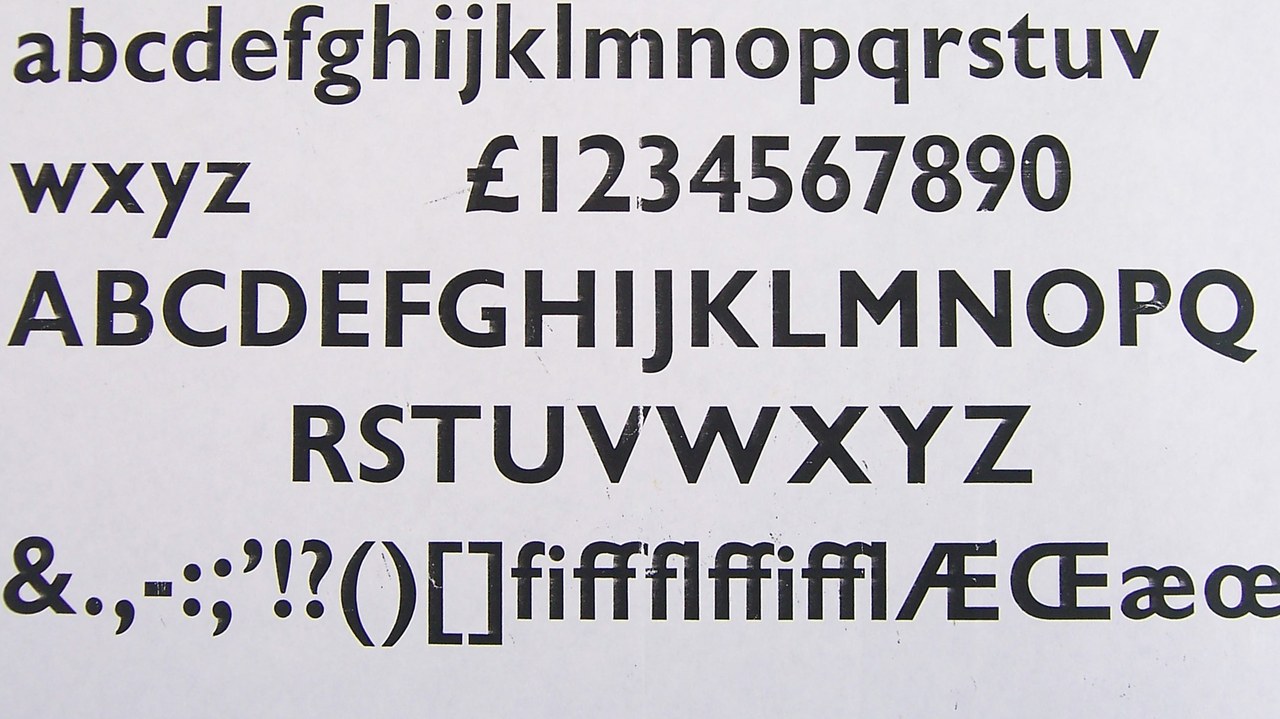

Near it
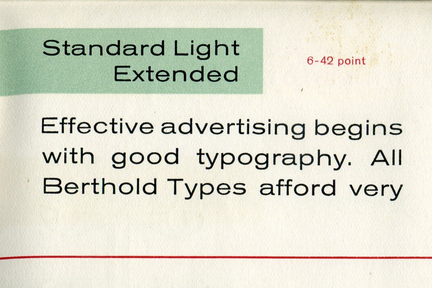 Grotesque
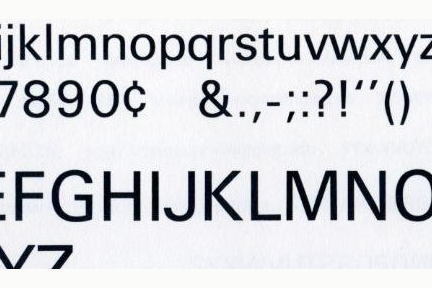 Neo-grotesque
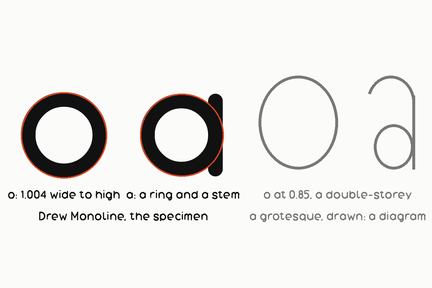 Geometric sans
 Humanist
 Aperture
.jpg)
.jpg)
What it is made of
| apertures | open | the c and s terminals point outward, which is most of why it reads well small |
| proportions | varied, following the roman capitals | |
| stroke | modulated rather than uniform | |
| VOX DID NOT HAVE THIS CLASS, which is the first thing to know about the term | the system put every sans-serif into ONE class. ATypI: "the Linéales (Lineals) combined all sans-serif types, such as Futura and Gill Sans, into one class." Gill Sans is named in that sentence as an example of the single class, not of this one. | ATypI, "ATypI de-adopts Vox-ATypI typeface classification system", published 27 April 2021, read whole (1,136 words). So this term is a LATER SUBDIVISION of a Vox class rather than a Vox class, and a record that presents it as one is repeating a tidier history than the sources support. Maximilien Vox's own 1954 text is NOT HELD AND UNREAD in this house. Everything here comes from the custodian's 2021 statement, which is a primary for the system's history and its withdrawal and is NOT a definition of the individual classes |
| and the parent classification is retired | see above | AND THE CLASSIFICATION THIS TERM BELONGS TO WAS RETIRED BY ITS OWN CUSTODIAN. The ATypI board de-adopted Vox-ATypI on 18 March 2021 and withdrew its endorsement, because the system divides only the Latin writing system and a later revision put Cyrillic, Arabic, Hebrew and the Asian scripts together under one heading called Non-Latines. ATypI, "ATypI de-adopts Vox-ATypI typeface classification system", published 27 April 2021, read whole (1,136 words) |
Where it came from
Britain, 1928, with Gill Sans, though the argument is usually traced to Edward Johnston's 1916 alphabet for the London Underground.
Done well
- Gill Sans, Eric Gill, 1928
- Johnston, Edward Johnston, 1916
- Frutiger, Adrian Frutiger, 1976