Vox-ATypI
Also called Vox classification
The eleven-class scheme that taught the trade to sort typefaces by the shape of the letter rather than by the year it was cut.
Near it
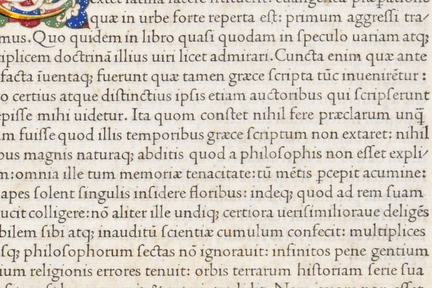 Humanist
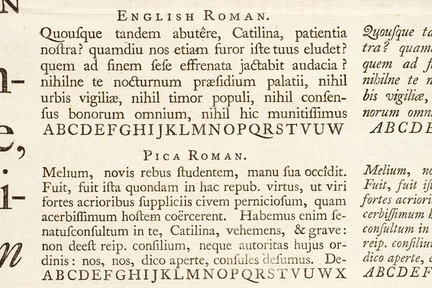 Garalde
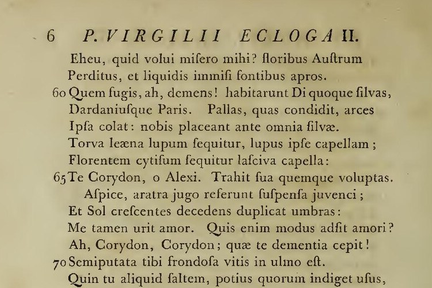 Transitional
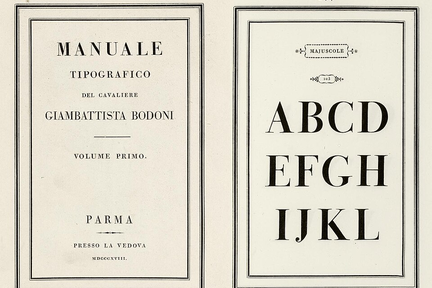 Didone
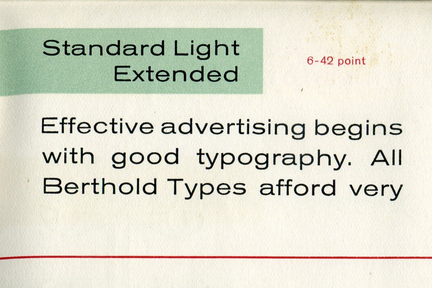 Grotesque
What it is made of
| what it was | a classification devised in 1954 by Maximilien Vox, "a French writer, illustrator, and typography historian who was later a founding member of ATypI", adopted by ATypI in 1962 and taken up in modified form as British Standard BS 2961:1967 | ATypI, "ATypI de-adopts Vox-ATypI typeface classification system", published 27 April 2021, read whole (1,136 words) |
| what it divided on | ATypI: "nine general classes typically identified by physical characteristics, such as the presence or absence of serifs, x-height, stroke axis, etc." | ATypI, "ATypI de-adopts Vox-ATypI typeface classification system", published 27 April 2021, read whole (1,136 words) |
| IT IS RETIRED, AND BY THE PEOPLE WHOSE NAME IS ON IT | the ATypI board passed two resolutions at a meeting on 18 March 2021, announced 27 April: one de-adopting the system and withdrawing its endorsement, the other directing a working group to study contemporary classifications "that embrace the wealth of writing systems from around the world" | ATypI, "ATypI de-adopts Vox-ATypI typeface classification system", published 27 April 2021, read whole (1,136 words). ATypI's stated reason: the first iteration divided only the Latin writing system and "disregarded other writing systems such as Cyrillic, Arabic, Hebrew, and Asian languages entirely", while the later revision "grouped all of these scripts under the single heterogenous heading of 'Non-Latines,' effectively dismissing the diversity of writing systems around the globe" |
| and applied to our own shelf it collapses to one class | by the three characteristics ATypI names: 2 of our 23 families are serifed and 21 are not; x-height over cap runs 0.7100 to 0.9314 on the ink (measured 2026-09-28 on the fixed shelf); and the stroke axis is monolinear on the o for 20 of the 23. So TWENTY-ONE OF OUR TWENTY-THREE FAMILIES LAND IN LINEALES, which the statement says "combined all sans-serif types, such as Futura and Gill Sans, into one class" | measured with the shelf's own stroke data. A taxonomy that puts nine tenths of a foundry in one box is not describing that foundry, which is the same complaint ATypI makes about it at a much larger scale |
Where it came from
Devised by Maximilien Vox in 1954 and adopted by the Association Typographique Internationale in 1962. ATypI itself moved to retire it in 2021 on the grounds that a scheme built around European metal type cannot classify the world's writing systems.
Sources
- ATypI de-adopts Vox-ATypI typeface classification system, ATypI
the classification as it stands is severely limited in scope
- Vox typeface classification (1954), Maximilien Vox not read