Flat 2.0
Also called Semi-flat, Almost flat
Flat design with just enough shadow put back to say which things can be pressed.
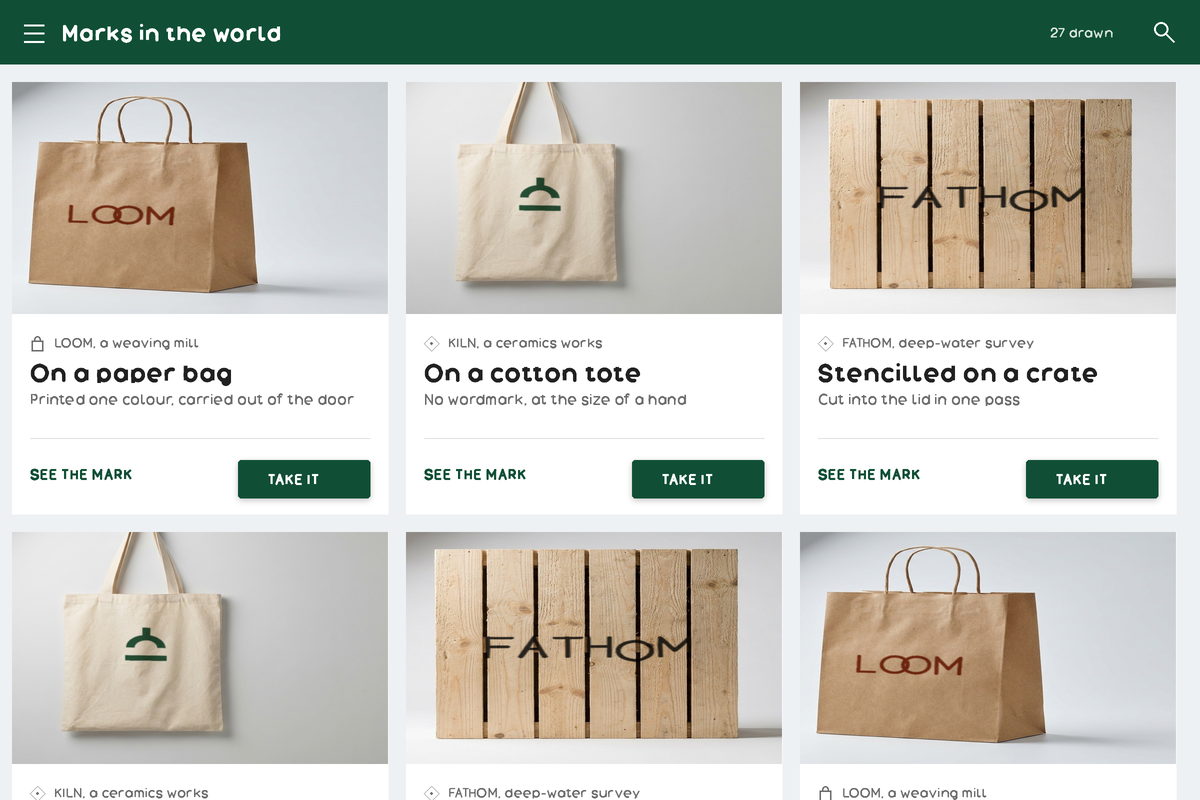
Near it
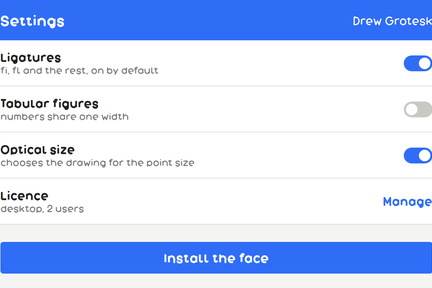 Flat design
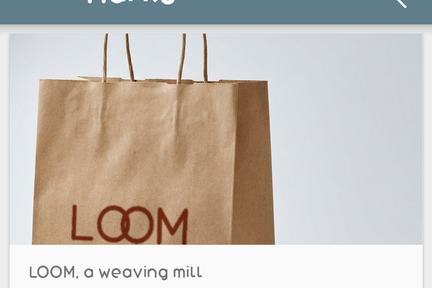 Material Design
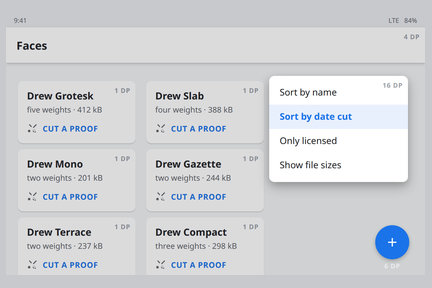 Elevation
What it is made of
| what it is | NN/g: "Flat 2.0 provides an opportunity for compromise — visual simplicity without sacrificing signifiers." | Nielsen Norman Group, "Flat Design: Its Origins, Its Problems, and Why Flat 2.0 Is Better for Users". Read whole, 2,174 words, 2026-09-11. The term is theirs; this entry does not invent it |
| the signifier it puts back | NN/g: "Elements that appear raised look like they could be pressed down (clicked with the mouse). This technique is often used as a signifier for digital buttons." And the converse: "Elements that appear sunken or hollow look like they could be filled. This technique is often used as a signifier for input fields, like search tools." | Nielsen Norman Group, "Flat Design: Its Origins, Its Problems, and Why Flat 2.0 Is Better for Users". Read whole, 2,174 words, 2026-09-11 |
| our own picture | the press rule holds exactly one shadow, in one function, whose docstring says every call to it is a claim that the thing under it is pressable, and every card carries a flat text action beside a raised one so a reader sees which is which without being told | the drawing was built from this entry's own table on 2026-09-11 and the source was read afterwards, on 2026-09-11, when the shelf index was found to be hiding it. They agree, and the order is recorded here because a picture that matches its source by accident and one that was copied from it are not the same thing |
| what it does not put back | texture, gloss, gradient, or a third dimension anywhere but on the one thing you can press |
Where it came from
The correction that followed flat design's legibility problem, from roughly 2014 onward. Material Design is the systematised version of the same retreat.